Herbal vs Chemical Hair Oils: Which One Should You Buy?
Healthy, shiny hair is something everyone wants, but choosing the right hair oil can feel confusing. Walk into any store today and you’ll find shelves full of “herbal,” “natural,” “Ayurvedic,” and “advanced chemical formula” hair oils. So which one is actually better for your hair?
The truth is — both herbal and chemical hair oils work differently. Some provide deep nourishment over time, while others offer instant smoothness and shine. Understanding the difference can help you choose the right product for your hair type and long-term hair health.
What Are Herbal Hair Oils?
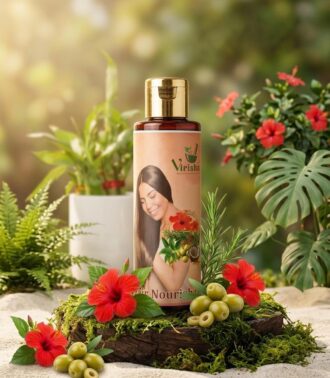
Herbal hair oils are usually made with natural ingredients like herbs, roots, flowers, seeds, and cold-pressed oils. Ayurvedic oils commonly contain ingredients such as:
- Amla
- Bhringraj
- Brahmi
- Hibiscus
- Neem
- Coconut oil
- Sesame oil
- Rosemary
- Fenugreek (Methi)
These oils are designed to nourish the scalp naturally and strengthen hair from the roots. Ayurvedic and herbal formulations have been used for centuries in traditional hair care routines.
What Are Chemical Hair Oils?
Chemical hair oils are commercially formulated products that often contain:
- Mineral oil
- Silicones
- Artificial fragrance
- Preservatives
- Synthetic colors
- Petroleum derivatives
These oils mainly focus on giving immediate cosmetic results like shine, smoothness, and frizz control. Many products coat the hair shaft instead of deeply nourishing the scalp.
Herbal Hair Oils vs Chemical Hair Oils
Feature | Herbal Hair Oils | Chemical Hair Oils |
Ingredients | Natural herbs & oils | Synthetic compounds |
Hair Benefits | Nourishes roots & scalp | Gives temporary shine |
Long-Term Use | Usually safer | Can cause buildup |
Hair Growth Support | Supports healthy scalp | Mostly cosmetic effect |
Scalp Health | Helps dryness & dandruff | May irritate sensitive scalp |
Results | Slow but long-lasting | Quick but temporary |
Fragrance | Natural herbal aroma | Artificial perfume |
Benefits of Herbal Hair Oils
- Deep Scalp Nourishment
Herbal oils penetrate the scalp and help improve scalp health naturally. Ingredients like bhringraj, amla, and rosemary are known for supporting stronger hair roots.
- Reduced Hair Breakage
Natural oils help maintain moisture and reduce dryness, which can prevent split ends and hair damage.
- Fewer Harsh Ingredients
Most herbal oils avoid strong chemicals like parabens and silicones, making them suitable for regular use.
- Supports Long-Term Hair Health
Unlike quick-fix products, herbal oils focus on strengthening hair gradually and naturally.
Drawbacks of Herbal Hair Oils
- Results may take time
- Strong herbal smell may not suit everyone
- Some “herbal” products still contain hidden chemicals
Experts often recommend checking ingredient labels carefully because some brands market products as Ayurvedic while still using harsh detergents and silicones.
Benefits of Chemical Hair Oils
- Instant Shine & Smoothness
Chemical oils can immediately make hair look glossy and frizz-free.
- Lightweight Texture
Many silicone-based oils feel non-sticky and work well for styling.
- Heat Protection
Some advanced formulations help reduce damage caused by heat styling tools.
Drawbacks of Chemical Hair Oils
Long-term use of chemical-heavy oils may:
- Cause scalp buildup
- Block moisture absorption
- Lead to dryness over time
- Weaken hair strands
Certain synthetic ingredients like mineral oil and silicones may only coat the hair surface without improving actual scalp health.
Which One Should You Buy?
The answer depends on your hair goals.
Choose Herbal Hair Oils If:
- You want long-term hair nourishment
- You prefer natural skincare & haircare
- You have dry scalp or hair fall concerns
- You want a chemical-free routine
Choose Chemical Hair Oils If:
- You need instant shine for styling
- You want temporary frizz control
- You use heat styling frequently
Best Solution? Use a Balanced Approach
You don’t always have to choose one side completely. Many people use:
- Herbal oils for scalp nourishment
- Lightweight serum/oil occasionally for styling
The key is moderation and choosing products with cleaner ingredient lists.
Final Thoughts
Herbal hair oils focus on healing and nourishing the scalp naturally, while chemical hair oils mainly provide quick cosmetic improvement. If your goal is healthier, stronger, and naturally beautiful hair in the long run, herbal oils are often the better investment.
However, always read labels carefully. A product labeled “herbal” isn’t always truly natural. Choose trusted formulations with genuine herbal ingredients and fewer harsh chemicals for the best results.
Beautiful hair starts with healthy roots — not just temporary shine.